Gum Disease Treatment Springfield
The Key to Keeping All of Your Teeth
The leading cause of tooth loss in adults may surprise you: gum disease. That’s why it’s so important that you come to our office every six months for a checkup (or sooner if you start to experience abnormal dental symptoms). If you are interested in learning about this common oral health problem, including warning signs that you should look out for between visits, read on or get in touch with us to schedule an appointment.
Why Choose Dr. Laura Gramse Family Dental Care for Gum Disease Treatment?
- Skilled Dentist with 25+ Years of Experience
- Convenient Locations in Springfield & Palmer
- Kind, Warm, & Friendly Dental Team
What is Gum Disease?

Also called periodontal disease, gum disease affects an estimated 50% of the U.S. adult population. While the symptoms in the early stages are relatively minor, the infection can lead to tooth loss if it isn’t treated or managed early on. Fortunately, Dr. Gramse offers gum disease treatment in Springfield, which allows us to help patients get the infection under control so they can keep their smiles for decades to come.
Symptoms of Gum Disease
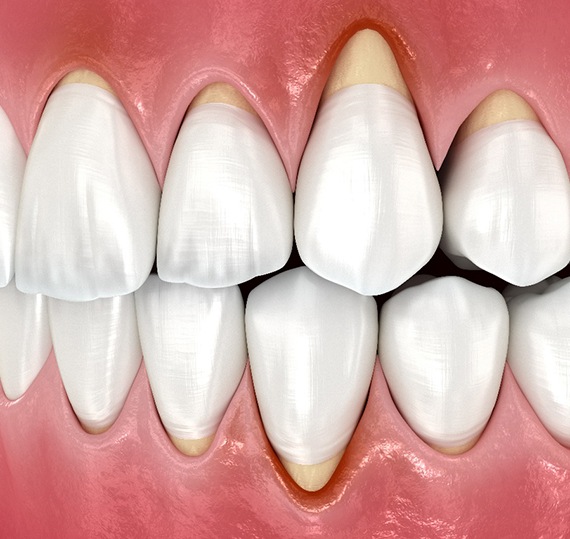
Are your gums red, sensitive, or inflamed? Do they bleed when you brush or floss your teeth? Are they starting to recede, causing your teeth to look longer? If you answered “yes” to any of these questions, then you may already be dealing with this infection. So, it’s important that you act fast; schedule an appointment with Dr. Laura Gramse right away.
How Do We Treat Gum Disease?

At our Springfield dental office, we offer two treatments: scaling and root planing, as well as antibiotic treatment. During your appointment, we will discuss each one in-depth before sharing our recommendations. In the meantime, you can read on to learn a little more about them.
Scaling & Root Planing
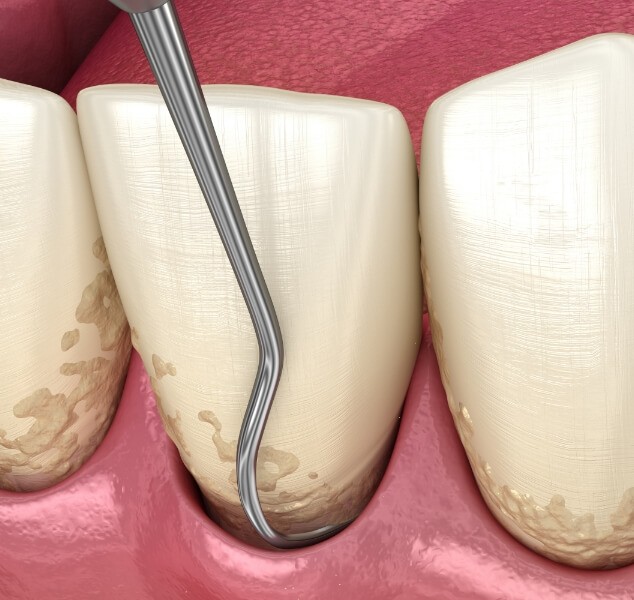
If you have significant plaque and tartar deposits above and below the gumline, your regular preventive cleaning may not go far enough to clear it all away. A scaling and root planing treatment can help keep the beginning stages of periodontal disease under control by removing these deposits and allowing your gums to reattach to the roots of your teeth. During the first step of this two-step gum disease treatment in Springfield, we’ll clear away these dangerous deposits to reduce the harmful oral bacteria that has accumulated in your smile. This will restore the health of your oral tissues and reduce other common symptoms like inflammation and tenderness. Then, you’ll return for a second appointment to have the roots of your teeth smoothed so your gum tissue can healthily reattach to them.
Do I Need Scaling & Root Planing?

During your dental exam, Dr. Gramse will be checking your gums for any signs of gum disease that could indicate you need a deep cleaning, including bleeding when brushing and flossing, receding gums, chronic bad breath (halitosis), visible plaque buildup, and swollen or puffy gums. While early stages of gum disease (gingivitis) can often be remedied or reversed with good at-home oral hygiene, if the condition has progressed, scaling and root planing may be necessary to prevent it from worsening.
The Process of Scaling & Root Planing
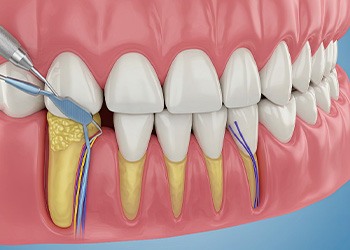
In most cases, scaling and root planing will be done over the course of two appointments. Here’s a closer look at what you can expect from each:
- At your first appointment, your dental team will use a scaler to clear away all the plaque and tartar from the surface of the teeth, as far down as the pockets of your gums.
- At the second appointment, Dr. Gramse will remove the hardened bacterial deposits on the roots of the teeth that are hidden beneath the gumline. This will help prevent further infection by keeping oral bacteria from recolonizing in your gum tissue.
Aftercare Tips for Scaling & Root Planing

Scaling and root planing are usually done over the course of a few weeks due to the intensity of the treatment, and your teeth and gums may need this break between appointments to recover. Please be aware that it is normal to experience increased sensitivity and discomfort during this time as a natural part of the healing process. Some general aftercare tips for making your healing process go smoothly include:
- Rinse your gums with warm saltwater after eating to prevent irritation and loosen food debris around your teeth to make flossing and brushing easier. To make the saltwater, mix ¼ teaspoon of salt for each eight ounces of water.
- Brush your teeth gently and use a soft-bristled toothbrush to reduce the risk of irritation and bleeding. Brush in small, circular motions and move very slowly to avoid worsening discomfort.
- Because your teeth and gums can be sensitive to certain foods and beverages following scaling and root planing, it is recommended that you avoid hot and spicy foods, alcohol, acidic drinks, and any type of tobacco products.
- Be sure to eat a soft diet for the first 48 hours after treatment.
- Avoid any intensive physical activity directly after your procedure to avoid prolonging the healing process.
Antibiotic Treatment

While scaling and root planing are able to accomplish a lot, the truth is that gum disease bacteria can sometimes hide deep down and be very difficult to remove. With Arestin, a powder-like substance that is actually made up of thousands of microspheres of medicine, is applied directly to the gums. Over the course of a week or so, a powerful antimicrobial agent seeps down to get rid of even the most stubborn bacteria.