
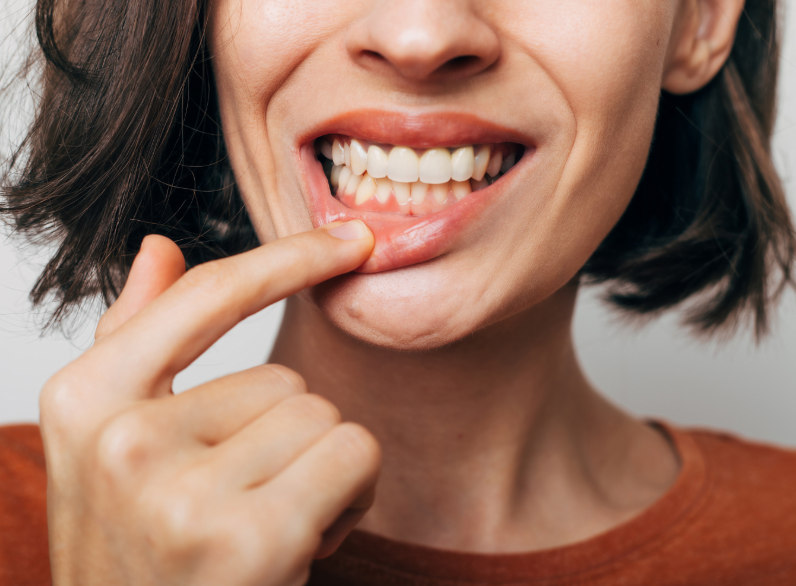
If you’ve noticed pink in the sink when you brush or floss, it’s often one of the earliest signs of gingivitis—the mildest form of gum disease. This condition develops when plaque, a sticky film of bacteria, builds up along the gumline and irritates the surrounding tissue.
The good news is that gingivitis is reversible, especially when caught early. However, it does require consistent care and a little patience. Bleeding gums are your body’s way of signaling that your gums need extra attention.
How Long Does It Take for Gums to Stop Bleeding?
With proper at-home care and guidance from your dentist, most people begin to see improvement within just a few days to a week. For many, bleeding significantly reduces after about 7 to 10 days of consistent oral hygiene.
That said, complete healing can take a bit longer. In general, it may take anywhere from two to three weeks for your gums to fully return to a healthy state. The exact timeline depends on how severe the inflammation is and how diligent you are with your routine.
If your gums continue to bleed beyond a couple of weeks despite your efforts, it could be a sign that the condition has progressed and may require professional treatment.
Daily Habits That Help Your Gums Heal
The most effective way to stop bleeding gums is to remove the plaque that’s causing irritation in the first place. This starts with brushing your teeth at least twice a day using a soft-bristled toothbrush and gentle, circular motions along the gumline.
Flossing is just as important, even if your gums bleed at first. It might feel counterintuitive, but flossing helps remove bacteria from between teeth where your toothbrush can’t reach. Over time, this reduces inflammation and leads to less bleeding—not more.
Incorporating an antimicrobial or antiseptic mouthwash can also support healing by reducing harmful bacteria in your mouth. Some people benefit from using a water flosser, which can be especially helpful for reaching difficult areas and gently stimulating the gums.
Small Changes That Make a Big Difference
Beyond brushing and flossing, a few simple lifestyle adjustments can speed up the healing process. Staying hydrated helps your body maintain healthy saliva flow, which naturally cleanses your mouth.
Eating a balanced diet rich in vitamins—especially vitamin C—can support gum health and reduce inflammation. It’s also a good idea to avoid tobacco products, as they can slow healing and worsen gum disease.
Consistency is key here. Even small improvements in your daily routine can lead to noticeable changes in how your gums feel and function.
When to See Your Dentist
While at-home care plays a big role in reversing gingivitis, professional dental visits are just as important. A thorough cleaning removes hardened plaque (tartar) that you simply can’t eliminate on your own.
If your gums remain swollen, tender, or prone to bleeding after a few weeks of improved care, it’s time to check in with your dentist. They can assess whether your gingivitis has progressed to a more advanced stage of gum disease and recommend appropriate treatment.
Early intervention makes a big difference—not just for your gums, but for your overall oral health. Healthy gums don’t happen overnight, but with steady care, you’ll be well on your way to a stronger, healthier smile.
About the Practice
Dr. Laura Gramse leads a warm, family-centered dental practice built on decades of experience and deep community roots. A second-generation dentist, she began her career working alongside her parents before earning her degree from Tufts University School of Dental Medicine and eventually taking over the practice. With over 35 years of experience, she is known for combining advanced training in cosmetic, restorative, implant, and sleep dentistry with a genuinely personal approach—taking the time to build lasting relationships with each patient. Supported by a friendly, dedicated team, the practice offers comprehensive care for patients of all ages in a comfortable, welcoming environment designed to feel more like home than a typical dental office.
Call us at (413) 783-6907 or schedule your appointment online.