
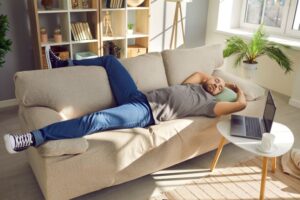
Sleep apnea can rob you of rest and leave you feeling tired throughout the day. If you have this condition, you may find yourself tempted to take naps so you can recharge. Under normal circumstances, short naps can offer benefits, but the relationship between napping and sleep apnea is complex. Learning how naps affect your condition will allow you to make choices that support your overall well-being. Continue reading this blog post to discover important information.
The Downsides of Napping with Sleep Apnea
Before you settle in for a nap, take time to consider several potential drawbacks:
- Disrupted Sleep Schedule: Taking daytime naps may make it harder to fall asleep or stay asleep at night. This can fragment your natural sleep cycle, adding to the challenges you already face with sleep apnea.
- Lack of Treatment Access: Many people do not have their CPAP machine or oral appliance available when napping, especially if they are away from home. Without your prescribed treatment, you may experience interrupted breathing and reduced oxygen levels during your nap.
- Reliance on Naps: Regular daytime naps can lead to a pattern of compensating for poor nighttime sleep. This can create a cycle where dependence on napping replaces efforts to improve sleep quality at night.
Tips for Napping Safely with Sleep Apnea
If you decide to nap during the day, follow these guidelines to protect your health and support better sleep:
- Nap where you have access to your sleep apnea treatment. Portable oral appliances are especially helpful if you plan to nap away from home.
- Keep naps brief, aiming for 20 to 30 minutes. Short naps can help you avoid entering deeper sleep stages that may leave you feeling groggy.
- Choose an early afternoon nap. Napping earlier is less likely to disrupt your circadian rhythm and nighttime sleep.
- Maintain a consistent nighttime routine. Establishing regular sleep habits can help your body develop a healthy rhythm and reduce the urge to nap during the day. Try to go to bed at the same time each day.
Naps may offer a welcome boost of energy, but they should not become a daily habit if you have sleep apnea. Instead, it would be better to focus on improving the quality of your nighttime rest.
Meet the Practice
Dr. Laura Gramse is a talented dentist and an active member of the American Board of Dental Sleep Medicine. She is committed to helping patients with sleep apnea discover better rest through custom oral appliance therapy. If you have been struggling to sleep well at night, Dr. Gramse and our team can guide you on your next steps. Contact our Springfield, MA, office at 413-483-6907.